
What Is a Pterygium? Causes, Symptoms, and When to Seek Treatment
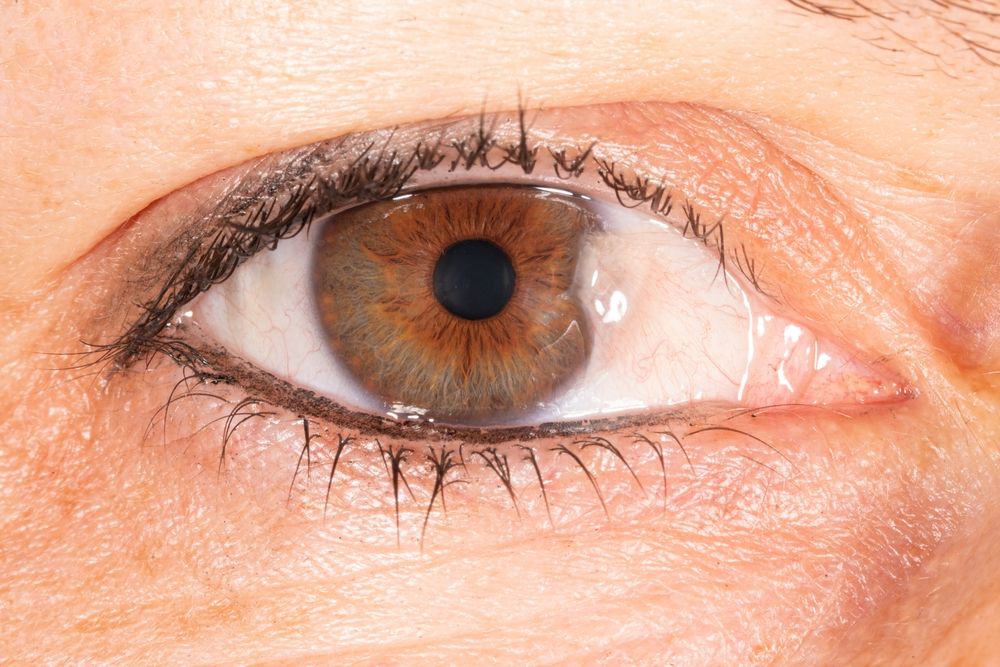
If you’ve noticed a small, raised growth on the white part of your eye that seems to be creeping toward your cornea, you may be dealing with a pterygium. Often referred to as “surfer’s eye,” a pterygium is a common eye condition that can affect both your comfort and your vision.
What Is a Pterygium?
A pterygium is a noncancerous growth of conjunctival tissue (the thin, clear membrane covering the white of the eye) that extends onto the cornea. It typically appears as a wedge-shaped or triangular patch and most commonly develops on the side of the eye closest to the nose.
While pterygia are usually benign, they can enlarge over time. In some cases, they may interfere with vision or cause persistent irritation that requires medical attention.
What Causes a Pterygium?
The exact cause of pterygium isn’t fully understood, but several risk factors are strongly associated with its development:
- Prolonged exposure to ultraviolet (UV) light
- Chronic exposure to wind, dust, or dry conditions
- Outdoor occupations or activities
- Living in sunny or high-altitude climates
Because UV exposure plays a major role, pterygium is more common in individuals who spend significant time outdoors without proper eye protection.
Common Symptoms
In its early stages, a pterygium may not cause noticeable symptoms. As it grows, however, you may experience:
- Redness or inflammation
- A visible raised or fleshy growth on the eye
- Dryness or a gritty sensation
- Burning or itching
- Blurred vision if the growth extends onto the cornea
- Changes in vision due to induced astigmatism
If the growth becomes large enough to distort the cornea, it can affect how light enters the eye, leading to visual disturbances.
When to Seek Treatment
Not all pterygia require surgery. In mild cases, symptoms can often be managed with lubricating eye drops, anti-inflammatory medications, or protective eyewear to reduce irritation and UV exposure.
However, you should schedule an evaluation if:
- The growth is increasing in size
- You are experiencing persistent redness or discomfort
- Your vision is becoming blurry
- The pterygium is affecting your appearance or confidence
- Contact lens wear has become uncomfortable
Early assessment allows us to monitor progression and determine the most appropriate course of action.
Pterygium Removal Surgery
When a pterygium begins to impact vision, causes chronic irritation, or continues to grow despite conservative treatment, surgical removal may be recommended.
At iSight Care, pterygium removal surgery is performed by our skilled eye surgeon, Dr. Mona Sane. The procedure involves carefully removing the abnormal tissue and typically placing a conjunctival graft (healthy tissue from another part of your eye) to reduce the risk of recurrence.
Modern surgical techniques are designed to:
- Improve cosmetic appearance
- Relieve irritation and inflammation
- Restore clearer vision
- Minimize the likelihood of regrowth
The procedure is usually performed on an outpatient basis with local anesthesia. Recovery times vary, but most patients return to normal activities within a short period, with follow-up visits to ensure proper healing.
Trust iSight Care for Expert Surgical Eye Care
A pterygium may start as a small cosmetic concern, but it can progress into a condition that affects your comfort and vision. Understanding the causes and symptoms allows you to take proactive steps to protect your eyes. Whether you need simple symptom relief or advanced surgical treatment, iSight Care offers personalized care tailored to your needs.
If you’ve noticed a growth on your eye or are experiencing persistent irritation or vision changes, contact iSight Care to schedule an evaluation and learn whether pterygium removal surgery is right for you. Visit our office in Los Altos, California, or call (650) 747-8339 to book an appointment today.
Quick Links
Our Services
Contact Info
- 289 S. San Antonio Rd, #110,
Los Altos, CA 94022 - Phone: (650) 747-8339
- Fax: (650) 353-9676
Hours of Operation
- Monday 8:00am - 5:00pm
- Tuesday 8:00am - 5:00pm
- Wednesday 8:00am - 5:00pm
- Thursday 8:00am - 5:00pm
- Friday 8:00am - 5:00pm
- Saturday Closed
- Sunday Closed
- Closed for lunch 12:00pm - 1:00pm
- Monday
- Tuesday
- Wednesday
- Thursday
- Friday
- Saturday
- Sunday
- Monday
- Tuesday
- Wednesday
- Thursday
- Friday
- Saturday
- Sunday
© 2026 iSight Care. All rights Reserved -
Accessibility Statement
-
Privacy Policy
-
Sitemap
Managed and Designed by 